

Illinois Archaeology:
Deep Roots of the Prairie State
Through February 22
• In the Gallery •
Special exhibit hours
Monday–Friday, noon–4:00p • Sundays, 10:00a–2:00p
We are thrilled to bring this extraordinary traveling exhibit to the Des Plaines community.
Illinois Archaeology: The Deep Roots of the Prairie State explores where and how people have lived in Illinois for the last 12,500 years. It examines the archaeological evidence and what it reveals about how factors such as climate change and new technology altered the way people lived.
The exhibit begins with the arrival of Illinois’ first residents, who came as the Ice Age’s glaciers retreated northward. Over time, populations increased, and people began to spread across the state. Where and how they lived went hand in hand with their inventions, like the adze, earth ovens, ceramic technology, and agriculture. The arrival of the French and other Europeans in Illinois had profound effects on Native American lifeways. The exhibit concludes with the arrival of Euro-Americans and the forced removal of the Native Nations that had called Illinois home for millennia. This section includes an interesting examination of a group of artifacts that may be from the home of an enslaved African American man living on the Jackson and Perry County line in the mid-to-late 1810s.
The exhibit was produced by the Illinois State Archaeological Survey, which is one of five scientific surveys that make up the Prairie Research Institute of the University of Illinois. The Prairie Research Institute unites scientific expertise in geology, ecology and biodiversity, archaeology, hydrology and water, weather and climate, pollution prevention, and sustainable energy to benefit the people, economy, and environment of Illinois, the nation, and the world.
The exhibit is the companion to the book by ISAS titled Archaeology of Illinois: The Deep History of the Prairie State, which was published in June 2025.
The exhibit is free to enjoy. Donations are gratefully accepted to help defray operational costs.
Donate online by clicking HERE. Thank you for your support!
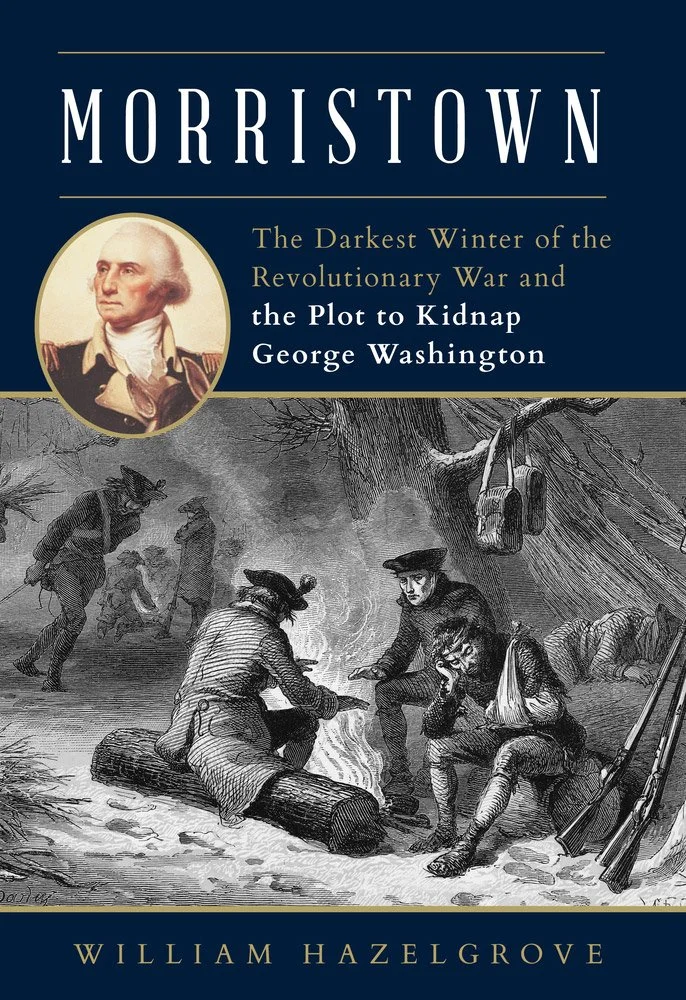
Morristown: The Darkest Winter
of the Revolutionary War
and the Plot to Kidnap
George Washington
February 18, 1:30–3:00p
Join us as one of our most popular speakers, William Hazelgrove,
presents a harrowing true story of survival
during the Revolutionary War.
Registration is required, and seats fill fast for these popular Coffee Talks.
Waitlist is now open. Please email contact@desplaineshistory.org or call 847-391-5399 to be added.
— About the Presentation —
In the fall of 1779 George Washington took his 10,000 men into winter camp at Morristown, New Jersey after six long years of fighting. It would be a brutal winter of suffering, depression, starvation, betrayal, mutiny, treason and an attempt to kidnap George Washington by the British.
By the spring only 8,000 men would be left in Morristown with less than two thirds fit for service. Books have cemented Valley Forge as one with Omaha Beach, the Death March of Bataan, and Washington crossing the Delaware.
But the winter of Valley Forge was mild in comparison to other winters. Temperatures did not plummet to unheard levels and snowfall was normal. And the men were not starving on the scale that would later follow at Morristown. The winter of 1779 to 1780 was the worst in a century and would mark Washington’s darkest hour where he contemplated the army coming apart from lack of food and, money, six years of war, desertions, mutiny, the threat of a devastating attack by the British, and incredibly, a plot to kidnap him.
And yet Morristown would mark a turning point. After a long winter of suffering, he was joined by Lafayette in May who promised Washington a second fleet of French support, leading to the final defeat of the British in 1783.
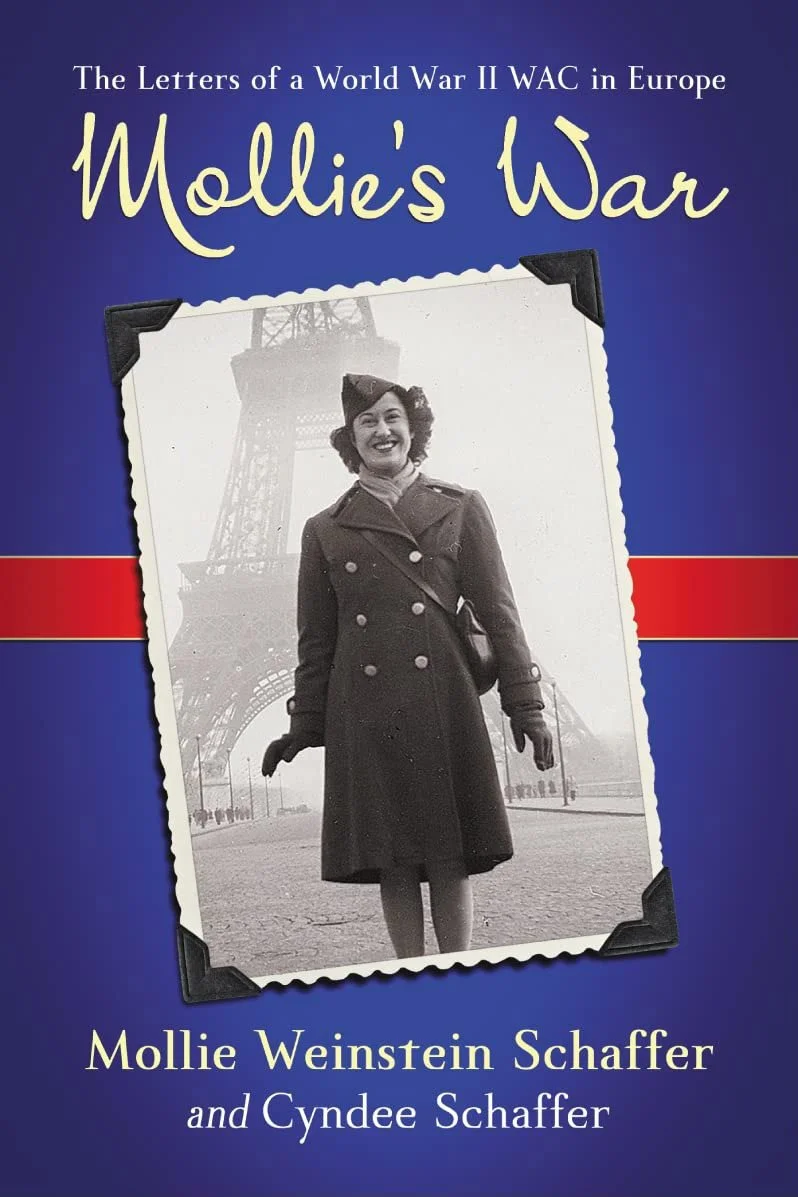
Mollie’s War
March 18, 1:30–3:00p
Author Cyndee Shaffer uses excerpts from letters her mother, Mollie Weinstein Schaffer, wrote home during World War II to provide a romantic yet frightening glimpse into the life of a woman in uniform during this crucial time in history. The 150,000 women who served in the Women’s Army Corps are now seen as undersung heroes of the Second World War. This memoir describes Mollie's life as a WAC enlistee, serving in England when it came under attack, in France immediately after the Allied invasion, and in Germany after VE Day. From her experiences during basic training in Daytona Beach to the climactic moment when she saw the Statue of Liberty as her ship approached American shores upon her return home, this work provides a glimpse into the life of a woman in uniform during this crucial time in American history.
Registration is required.
Coffee Talks are free for members and $10 for nonmembers. Please use this link to register online today.
Nonmembers may pay in advance online or at the door on the day of the event.